

Breathing New Life into Broken Pearls: The Art of Professional Pearl Stringing
Pearls are one of the most timeless and elegant gemstones in the world, but unlike gold or platinum chains, the way they are assembled requires specialized care. Because pearls are traditionally strung on natural silk thread, that thread can stretch, fray, or even snap over time—especially with heavy statement pieces.
Recently at Stark Jewelers in Sacramento, a client brought in a breathtaking but broken necklace made of large, luminous baroque pearls. The string had snapped, the original wire was bent and crooked, and the beautiful artisan silver clasp had become heavily tarnished.
Here is a behind-the-scenes look at how we restored this magnificent piece using traditional stringing techniques.
Step 1: Out with the Old
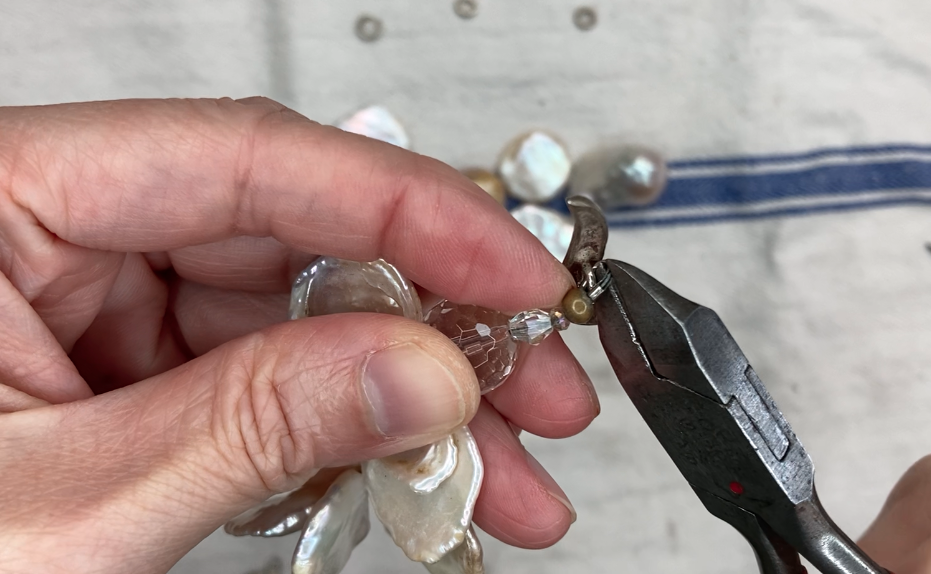
The first step in any pearl restoration is safely dismantling the damaged piece. We carefully cut away the broken silk thread and the damaged, crooked wire that was previously holding the clasp. Because baroque pearls have unique, organic shapes, we lay them out meticulously on a jeweler’s cloth to ensure they go back onto the new string in the exact right order, preserving the necklace's original aesthetic flow.
Step 2: Restoring the Original Hardware
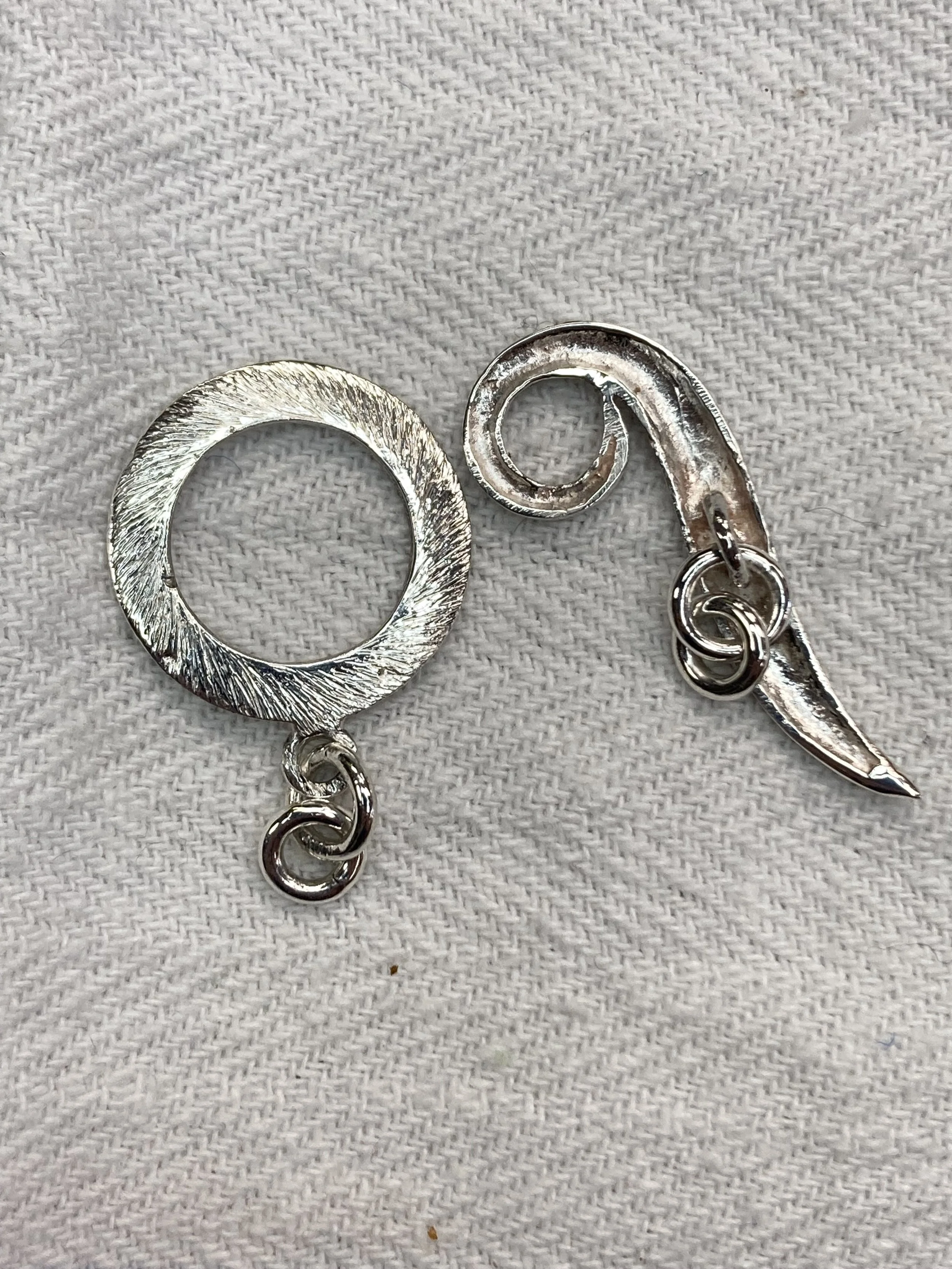
Before we even think about restringing, we address the hardware. This particular necklace featured a stunning, custom-designed silver toggle clasp. Over time, silver naturally oxidizes and tarnishes. We took the clasps to our polishing wheel, removing years of tarnish and surface scratches to restore a brilliant, mirror-like finish that perfectly complements the iridescence of the pearls.
Step 3: The Secret to Longevity: Extra Jump Rings & French Wire
When restringing heavy pearls, it’s not just about putting them back on a string; it’s about engineering the necklace to last.
One of the most critical points of failure on a pearl necklace is where the silk thread loops through the metal clasp. The friction of metal against silk causes the thread to fray and eventually break. To prevent this, we use French wire (also known as bullion). This is a microscopic, tightly coiled metal tube that we thread the silk through at the very ends of the necklace.
By using silver French wire that matches the freshly polished clasp, we create a seamless, elegant transition from the pearls to the clasp. More importantly, the French wire takes all the friction, protecting the delicate silk thread inside and ensuring the necklace can be worn safely for years to come.
To ensure fluid movement and prolong the lifespan of the newly strung pearls, we integrated a pair of extra jump rings on each side of the clasp. This subtle addition relieves tension and allows the heavy baroque pearls to drape naturally during wear.

Does Your Pearl Necklace Need Restringing?
As a general rule of thumb, if you wear your pearls often, they should be restrung every one to two years to prevent unexpected breakage. If your pearls are currently sitting in a drawer because of a broken clasp or snapped string, it’s time to bring them back to life.
Visit Stark Jewelers on Fair Oaks Blvd in Sacramento for expert pearl stringing, knotting, and jewelry restoration. We treat every heirloom as if it were our own.